
Pests
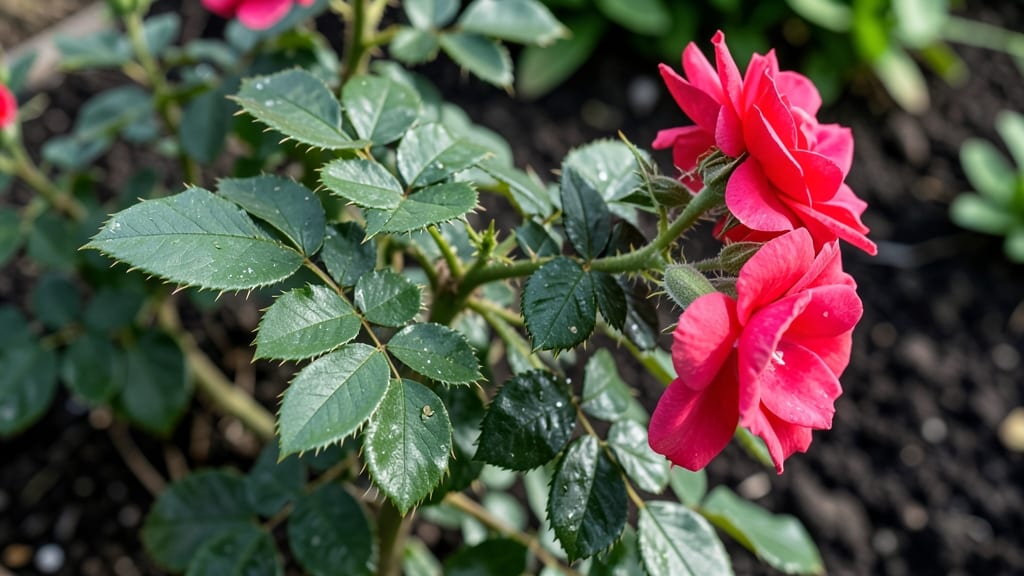
Knockout roses are partially deer resistant because their thick leaves and subtle scent make them less appealing, yet deer will still nibble during dry spells or when other plants aren't available. Strategic plant pairings like lavender or marigolds significantly boost protection.
Deer resistance in Knockout roses comes down to two key factors: their dense, leathery foliage and the subtle fragrance that deters browsing. 🌿 Unlike delicate roses with strong scents, these varieties have evolved to be tougher—making them a better choice for gardens where deer pressure is moderate.
However, when food is scarce (like in drought conditions), even the hardiest plants become fair game. That's why pairing them with deer-repellent companions creates a multi-layered defense system.
What many gardeners don't realize is that deer actually have a preference hierarchy. While Knockout roses might be their third or fourth choice, they'll happily munch if given the opportunity.
The solution? Create a "buffer zone" with plants deer avoid entirely, like Russian sage or boxwood. This forces them to bypass your roses altogether.
💡 In This Article
- Why Deer Sometimes Ignore (or Attack) Knockout Roses
- Proven Deer-Resistant Plant Pairings for Knockout Roses
Why deer sometimes ignore (or attack) Knockout roses
Knockout roses owe their partial deer resistance to their unique botanical features.
The leaves have a thick, leathery texture with a waxy coating that makes them less palatable—studies show deer prefer softer, more tender foliage like hostas or daylilies. 🌿 The subtle fragrance, while not overpowering, contains compounds that deer find mildly unpleasant compared to strongly scented roses or herbs.
This combination creates what plant scientists call "passive resistance"—not enough to completely deter deer, but enough to make these roses a secondary choice in most cases.
The science gets more interesting when you consider deer browsing behavior. Research from the University of Wisconsin found that deer typically follow a "preference hierarchy" when selecting plants. Knockout roses rank in the mid-tier—better than highly fragrant roses (which deer avoid) but worse than tender perennials.
During late summer droughts (when moisture content in plants drops below 50%), deer become more desperate and will target even these tougher varieties. The key factor here is the water content—deer prioritize plants with higher moisture levels to stay hydrated.
What most gardeners overlook is how deer learn from experience. If a deer finds a Knockout rose bush particularly palatable (perhaps because it's the only green option left), it will return to that specific plant repeatedly.
This creates "browsing hotspots" where individual plants get heavily damaged while others nearby remain untouched. 🦌 The solution lies in understanding this learned behavior—if you notice one bush getting targeted, it's often because it's the most accessible or isolated in the garden layout.
Seasonal changes dramatically affect deer interest. In spring, when new growth is tender, deer may nibble at young leaves. By summer, the mature foliage becomes too tough, and by fall, deer shift focus to seed-bearing plants.
This seasonal pattern explains why some gardeners report "hit-or-miss" results with Knockout roses—what works in one season may fail in another. The critical window is typically May through July, when both food availability and deer activity peak.
Another factor is the rose's natural chemical defenses. While not as potent as thorny roses, Knockout varieties contain mild phenolic compounds that create a slightly bitter taste. Deer can detect these compounds through both smell and taste, which is why they often avoid these roses unless absolutely necessary.
However, these defenses break down when plants are stressed—whether from drought, poor soil, or heavy pruning—making them more vulnerable.
For maximum protection, consider the planting density. Knockout roses grown in tight clusters (about 2-3 feet apart) create a more formidable barrier than isolated bushes. Deer are less likely to push through dense foliage than to nibble at single stems.
Pair this with 3-4 feet of clearance from property edges, where deer are most likely to wander, and you significantly reduce browsing pressure.