Flowers
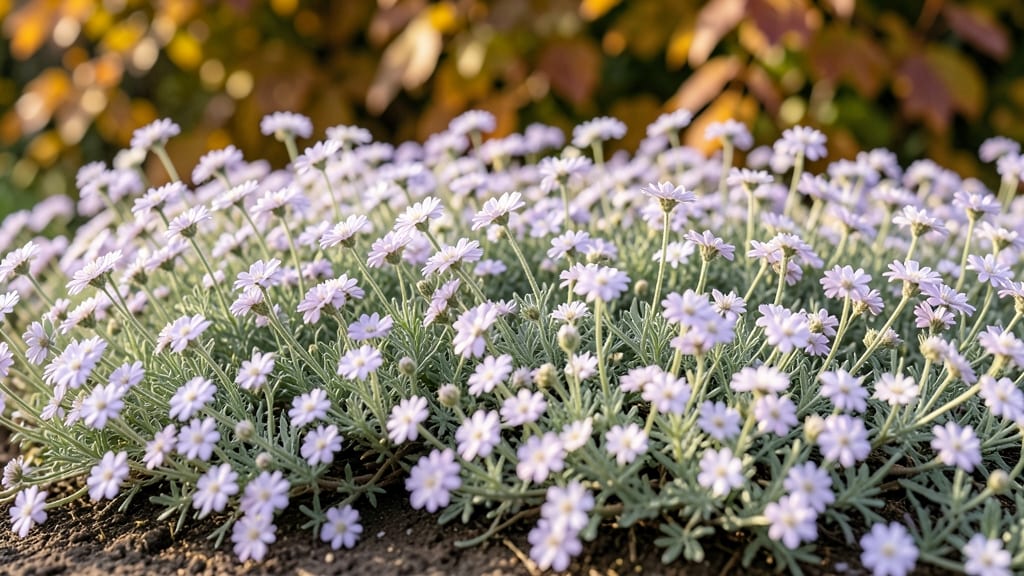
Fall gardens don’t have to fade into brown—these 10 vibrant annuals extend your blooms, attract pollinators, and add late-season color. Perfect for containers, borders, or mass plantings, they thrive when others wilt.
Cosmos Bipinnatus for Pollinator Havens
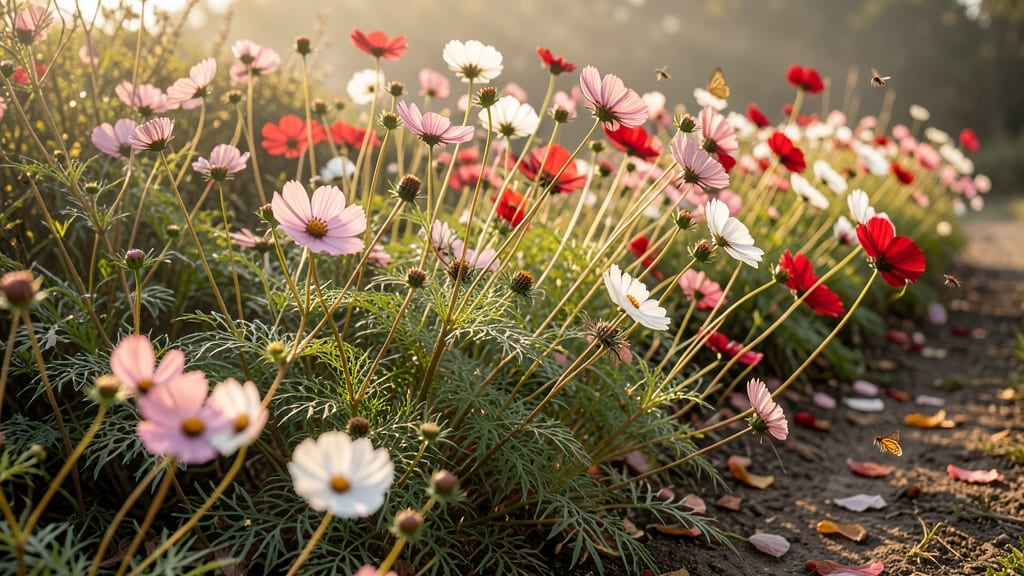
If your fall garden feels like a blank canvas after summer’s vibrant finale, cosmos bipinnatus is your secret weapon. These feathery, self-seeding blooms thrive in dry conditions and burst into delicate pink, white, or red petals—perfect for filling gaps while attracting butterflies and bees that other plants have already abandoned.
Sow seeds directly in late summer (after the hottest weeks) for fall blooms that last until frost. Their drought-tolerant nature makes them ideal for water-conscious gardeners, and their airy stems add movement to borders or containers. Deadhead spent blooms to encourage more flowers, or let them go to seed for a surprise self-sown display next year.
Urban gardeners and pollinator enthusiasts will love how cosmos bipinnatus transforms neglected corners into lively havens without demanding care. 🌻
Zinnia Elegans for Long-Lasting Cut Flowers
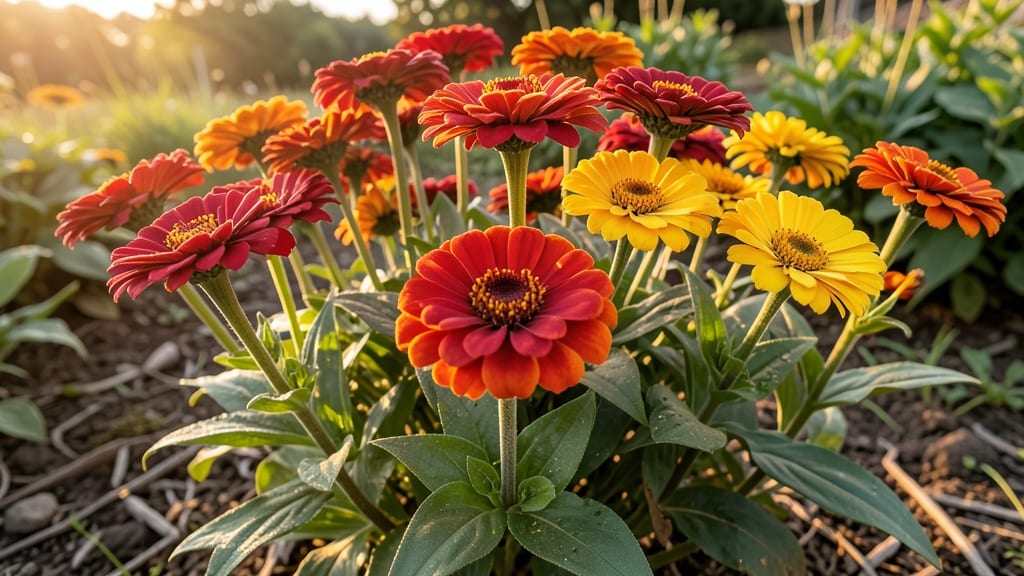
When summer's fiery blooms start to fade, Zinnia elegans steps in like a late-season superstar. This heat-resistant annual doesn’t just survive the dog days—it thrives, producing bold bouquets in deep reds, oranges, and yellows that keep giving until frost. Varieties like 'Benary’s Giant' are the secret to extending your cut-flower season well past Labor Day.
For maximum impact, plant seeds in late summer (after the last heatwave) for fall blooms that last. Zinnias love full sun (6+ hours daily) and well-draining soil, making them perfect for containers or garden beds. Deadhead spent blooms to encourage nonstop production—each plant can yield dozens of stems perfect for vases. Their sturdy stems hold up better than many summer annuals, giving you longer-lasting arrangements with minimal fuss.
This is the ideal choice for gardeners who want vibrant color without the maintenance of high-fuss flowers. Whether you're a bouquet-maker or just love bold garden drama, zinnias deliver year-round inspiration with minimal effort. 🌻
Snapdragon Antirrhinum for Vertical Interest
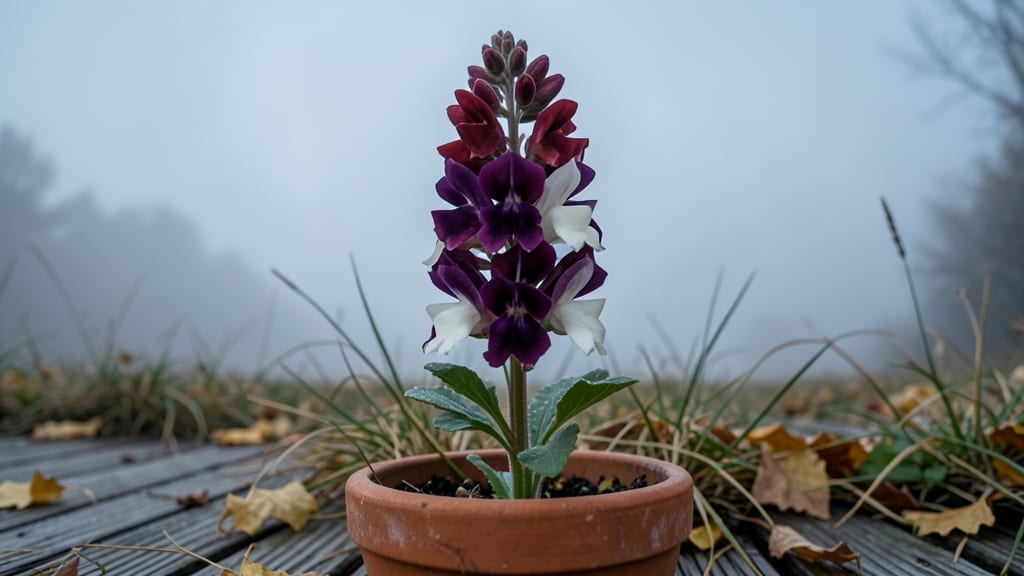
When your fall garden needs a vertical pop of color, snapdragons (Antirrhinum) deliver dramatic spikes in burgundy, purple, and white that stand tall against cooler autumn skies. Unlike many annuals, they thrive in fall’s crisp air and resist mildew, making them a low-maintenance star for containers, borders, or mixed beds.
Plant seeds in early summer for fall blooms, spacing them 12–18 inches apart to accommodate their 2–3 foot height. Snapdragons love full sun to partial shade and well-draining soil—ideal for urban gardens or small spaces. Pinch back young plants to encourage bushier growth, and deadhead spent blooms to prolong flowering until frost. Their unique "dragon mouth" flowers also attract bees and butterflies late into the season.
Gardeners with limited space or those craving bold vertical accents will adore how snapdragons elevate fall displays with minimal fuss. 🌷
Marigold Tagetes for Pest-Repellent Beauty
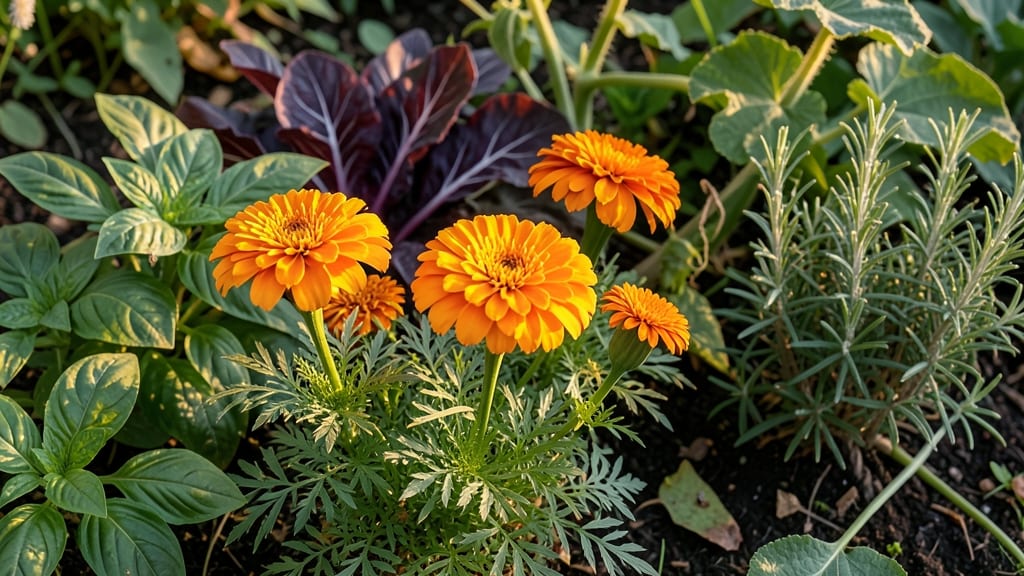
If your fall garden needs a two-for-one solution—bold color and pest control—French marigolds like 'Bonanza' are your secret weapon. These fiery orange and gold blooms don’t just stop aphids, squash bugs, and nematodes; they also pair perfectly with fall vegetables and herbs, creating a fragrant, pest-free cottage-garden haven.
Sow seeds in late summer (after the last heatwave) for fall blooms that thrive in full sun to partial shade. Their strong scent deters pests while attracting beneficial insects like ladybugs, making them a natural garden guardian. Plant them around tomatoes, peppers, or basil to protect your harvest without chemicals. Deadhead spent blooms to encourage more flowers until frost.
This is the perfect choice for vegetable gardeners and beginner-friendly spaces—marigolds are low-maintenance yet high-impact, turning your fall garden into a thriving, pest-resistant paradise. 🌻
Ageratum Mexicanum for Blue Fall Accents
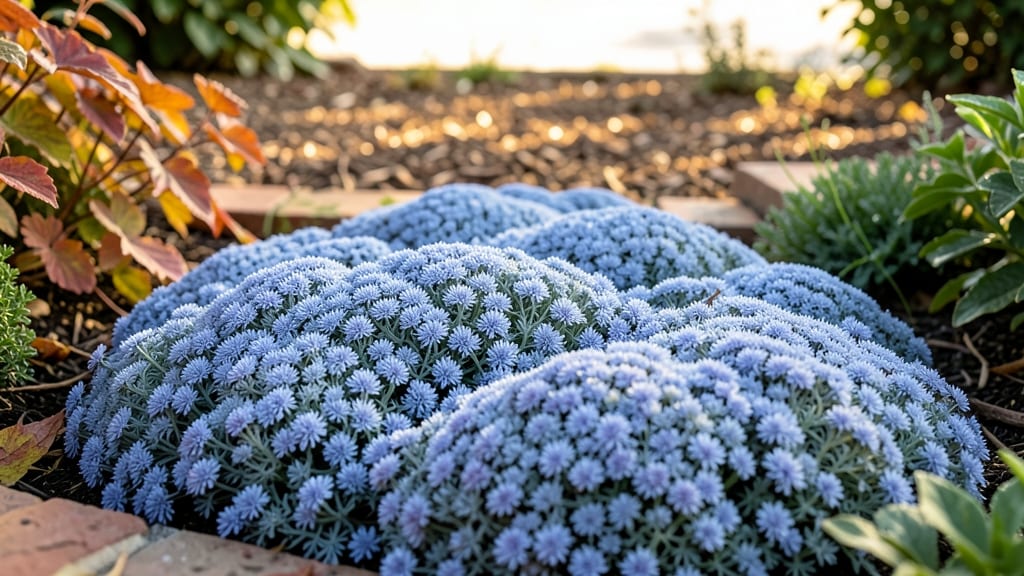
Looking to add a cool, calming blue hue to your fall garden without sacrificing heat tolerance? Ageratum mexicanum, particularly the dwarf variety 'Blue Mink', is your answer. This velvety-blue carpet plant thrives in summer’s sweltering conditions and keeps blooming well past the first frost, making it a standout for late-season color.
Sow seeds in early summer for compact, bushy plants that reach just 6–12 inches tall—perfect for containers, window boxes, or edging borders. 'Blue Mink' loves full sun to partial shade and tolerates humidity, so it’s ideal for southern climates or urban gardens where other annuals struggle. Deadhead spent blooms to encourage continuous flowering, and watch as these tiny blue pom-poms create a sea of color that lasts until winter’s chill.
This is the perfect choice for gardeners who want low-maintenance blue accents that brighten up fall displays without demanding care. 💚
Celosia Argentea for Bold Foliage Drama
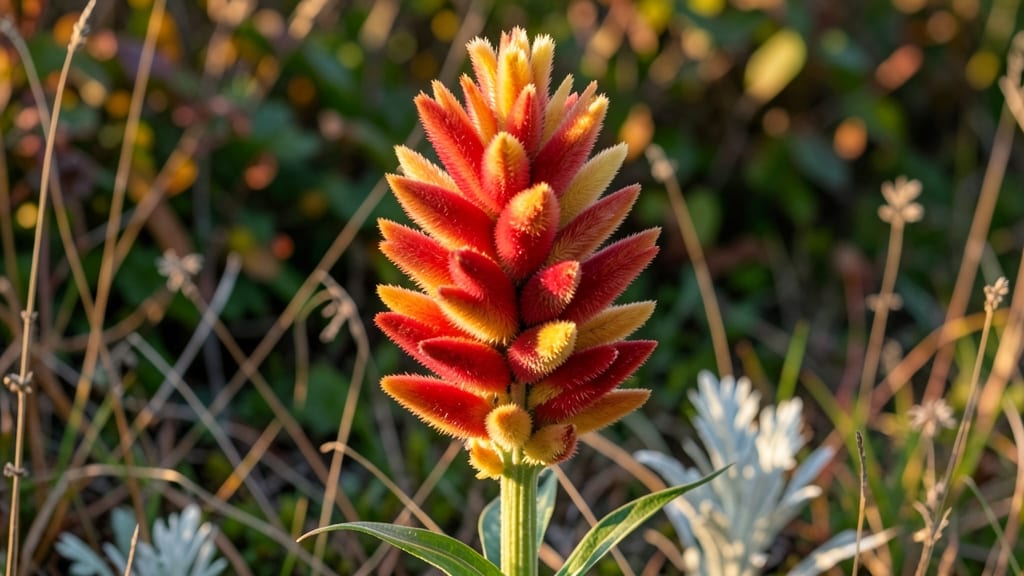
If your fall garden needs a dramatic focal point that refuses to fade, Celosia argentea (cock’s comb) delivers with its striking, velvety plumes in fiery reds, oranges, and yellows. Unlike many annuals that wilt as temperatures drop, this architectural plant thrives in late summer heat and continues to shine well into autumn, making it a standout for containers, borders, or cut-flower arrangements.
Sow seeds directly in late spring to early summer for fall blooms that last until frost. Celosia argentea loves full sun (6+ hours daily) and well-draining soil, and its drought-tolerant nature makes it perfect for low-maintenance gardens. The velvety flower plumes not only add texture but also attract hummingbirds late into the season, giving your garden an extra pollinator boost when others have faded.
This is the perfect choice for gardeners who want bold, long-lasting color with minimal effort—ideal for cutting gardens, mixed borders, or even as a striking houseplant. 🌻
Pansy Viola for Edible Fall Color
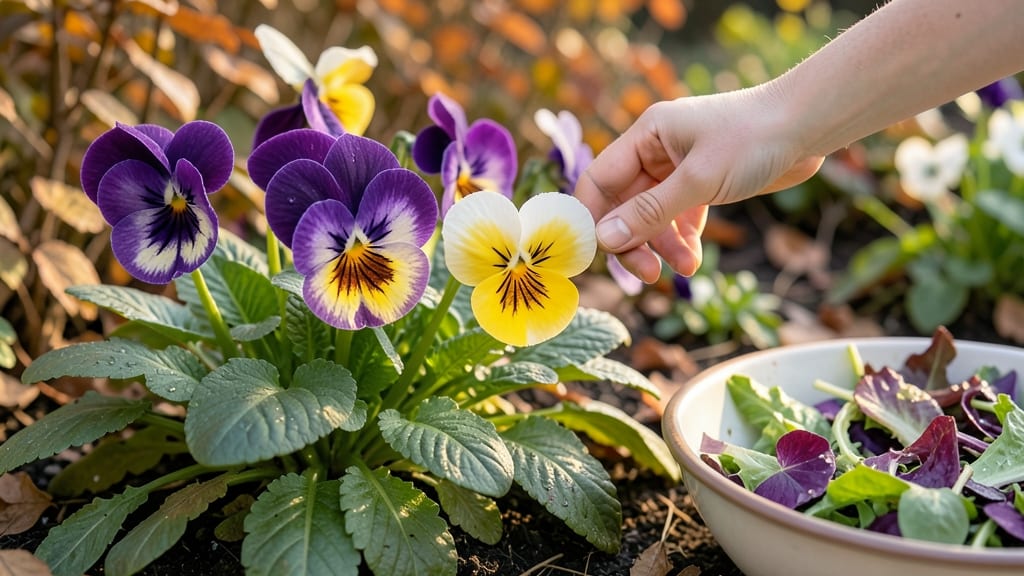
Looking for a dual-purpose plant that brightens your fall garden and your dinner plate? Pansy Viola delivers with their striking jewel-toned blooms in purple, yellow, and white—plus, their young leaves and flowers are edible with a mild, slightly sweet flavor perfect for salads. These cold-hardy gems thrive when most annuals have bowed out, making them the ultimate late-season multitasker.
Sow seeds in late summer for fall color, or plant them in early fall to overwinter and bloom again in spring. Pansies love cool temperatures (50–75°F) and partial shade, making them ideal for containers, window boxes, or garden beds. Their edible petals add visual and culinary interest—just avoid spraying with pesticides if you plan to eat them. For extra production, pinch back spent blooms to encourage more flowers.
This is the perfect choice for urban gardeners, cottage-style beds, or edible landscapes—giving you beauty and harvest with minimal effort. 🌷
Bachelor’s Button Centaurea for Cheerful Whites
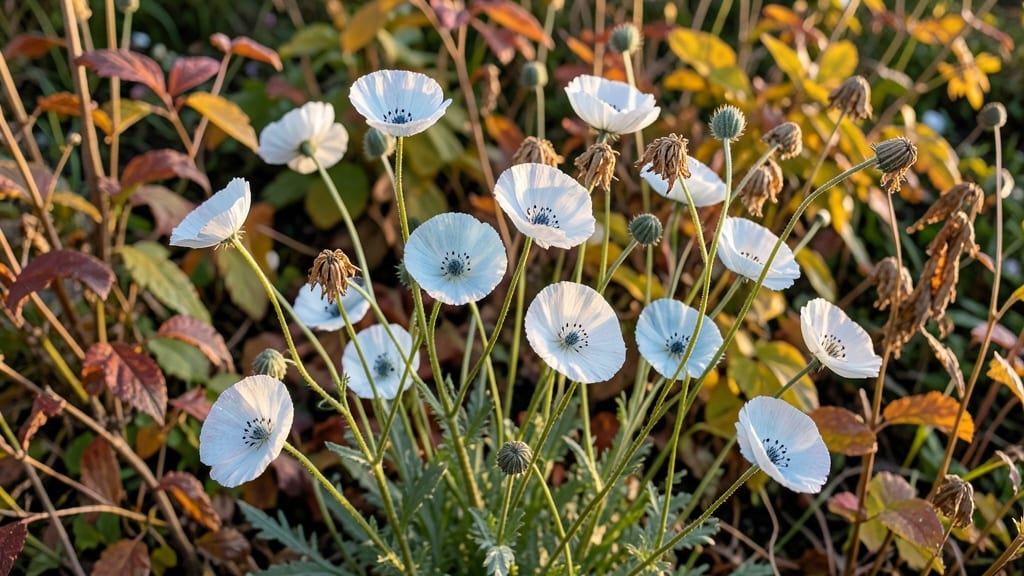
When your fall garden needs a touch of whimsy and nostalgia, bachelor’s button (Centaurea cyanus) delivers with its delicate, papery white and blue blooms. Unlike many annuals that fade by early fall, these old-fashioned favorites keep blooming through crisp autumn days, creating a dreamy, cottage-garden charm that brightens even the gloomiest corners.
Sow seeds directly in late summer (after the heatwave) for blooms that appear in 8–10 weeks. They thrive in poor soil and full sun, making them perfect for neglected patches or urban containers. Their self-seeding habit ensures next year’s garden gets a surprise burst of color with minimal effort. Pair them with zinnias or cosmos for a romantic, old-world feel that lasts until frost.
This is the ideal choice for gardeners who love low-maintenance, high-impact plants with a vintage touch. 🌷
Salvia Splendens for Hummingbird Magnets
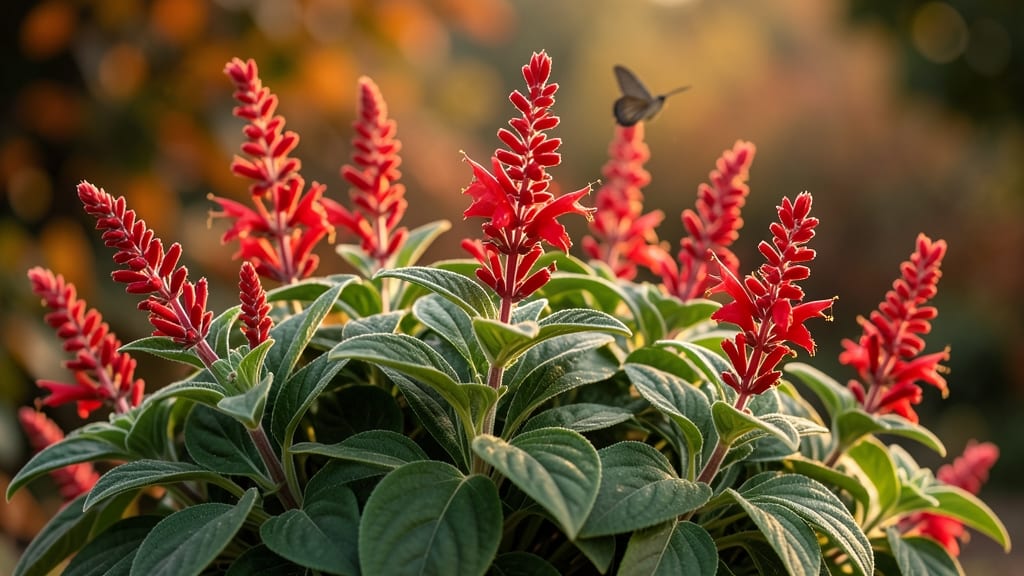
When your fall garden needs a hummingbird-friendly powerhouse, Salvia splendens delivers with its vibrant red tubular flowers that act like neon signs for these tiny pollinators. Unlike many annuals that fade with cooler weather, this tropical beauty stays lush and productive well into October and beyond, creating a late-season feeding station for hummingbirds migrating south.
Plant seeds in late spring (after the last frost) for fall blooms that thrive in full sun to partial shade. Keep soil consistently moist but well-draining, and pinch back young plants to encourage bushier growth. The bright red spikes (up to 2 feet tall) attract hummingbirds while adding striking vertical interest to borders or containers. Deadhead spent blooms to prolong flowering until frost—some varieties even rebloom if given proper care.
This is the perfect choice for pollinator gardeners and urban container growers who want to extend their seasonal color while supporting wildlife. 🌟
Sweet Alyssum Lobularia for Fragrant Ground Cover

Tired of fall gardens smelling like damp soil or compost? Sweet alyssum (Lobularia maritima) is your secret weapon—a fragrant ground cover that transforms bare spots into a honey-scented carpet. Its tiny white or purple blooms release a sweet, clover-like aroma that masks less pleasant garden odors while attracting pollinators right up until frost.
Sow seeds in late summer for fall blooms that thrive in full sun to partial shade, making it perfect for containers, window boxes, or filling gaps in borders. This drought-tolerant annual only needs occasional watering and self-seeds lightly for next year’s surprise blooms. Pinch back young plants to encourage bushier growth, and watch as it spills over edges like a fragrant waterfall.
Urban gardeners and small-space enthusiasts will love how sweet alyssum brightens up fall displays with minimal effort, while its pest-repelling scent makes it a natural companion for vegetables. 🌱